


- 快速回顾:函数指针是什么?
- 核心概念:为什么需要“函数指针的指针”?
- 深入主题:如何理解和使用“函数指针的指针的指针”?
- 实战代码示例:一个具体的 C 语言例子。
- 在 iOS 开发中的应用场景:这东西到底有什么用?
- 总结与最佳实践。
快速回顾:函数指针是什么?
让我们回顾一下基础知识。
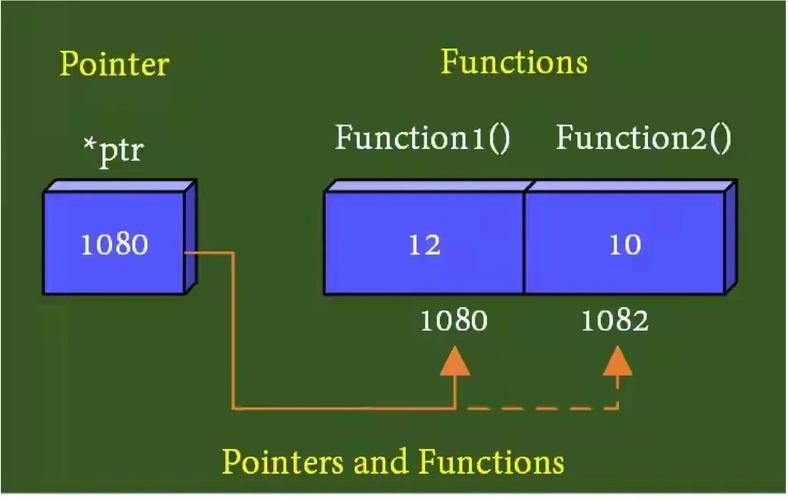
一个函数,int add(int a, int b),在内存中也有一个地址,我们可以定义一个指针来指向这个函数,这个指针就叫做函数指针。
// 定义一个函数
int add(int a, int b) {
    return a + b;
}
// 定义一个函数指针类型
// 它指向一个函数,该函数接收两个 int 参数,返回一个 int 值
typedef int (*FuncPtrType)(int, int);
int main() {
    // 创建一个函数指针变量,并让它指向 add 函数
    FuncPtrType ptr = add;
    // 通过指针调用函数
    int result = ptr(5, 3); // 等同于 add(5, 3)
    printf("Result: %d\n", result); // 输出: Result: 8
    return 0;
}
核心概念:为什么需要“函数指针的指针”?
想象一下,你有一个函数,它的任务是“让调用者给我一个函数的地址”,这个函数需要返回一个函数指针。
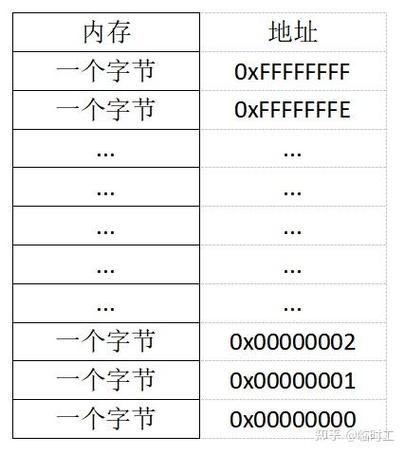
为了返回一个指针,我们通常使用指针参数,一个函数想返回一个整数的地址,它会接收一个 int** 参数。
同理,如果一个函数想“返回”一个函数指针,它就可以接收一个 FuncPtrType** 参数(即“函数指针的指针”)。
主要用途:
- 动态设置回调函数:一个框架或库函数需要你提供一个回调函数的地址,但它希望这个地址是动态决定的(根据运行时的状态或配置)。
- 返回多个值:C 语言函数只能有一个返回值,如果你想“返回”一个函数指针,你可以使用
FuncPtrType**作为输出参数。 - 在回调函数中修改外部指针:在一个通过函数指针调用的回调函数内部,修改外部某个函数指针所指向的地址。
如何理解和使用“函数指针的指针的指针”?
让我们进入主题:FuncPtrType***。
FuncPtrType是一个函数指针类型,int (*)(int, int)。FuncPtrType*是一个指向函数指针的指针。FuncPtrType**是一个指向“指向函数指针的指针”的指针,也就是函数指针的指针。FuncPtrType***是一个指向“函数指针的指针”的指针,也就是函数指针的指针的指针。
让我们用一个简单的例子来分解 FuncPtrType***:
// 1. 定义一个普通函数
int my_function(int a) { return a * 2; }
// 2. 定义一个函数指针类型
typedef int (*FuncPtrType)(int);
// 3. 定义一个指向函数指针的指针的指针的指针
FuncPtrType*** ppp_func_ptr;
这个 ppp_func_ptr 变量存储的是什么?它存储的是一个地址,这个地址指向一个 FuncPtrType** 类型的变量。
内存布局示意:
ppp_func_ptr (一个变量)
  |
  | (存放地址)
  V
ptr_to_ptr_func_ptr (一个 FuncPtrType** 变量)
  |
  | (存放地址)
  V
ptr_func_ptr (一个 FuncPtrType* 变量)
  |
  | (存放地址)
  V
my_function (函数的内存地址)
实战代码示例
下面是一个完整的 C 语言示例,展示了如何声明、赋值和解引用 FuncPtrType***。
#include <stdio.h>
#include <stdlib.h>
// 1. 定义一个简单的函数
int add(int a, int b) {
    printf("  -> add() called with %d and %d\n", a, b);
    return a + b;
}
int multiply(int a, int b) {
    printf("  -> multiply() called with %d and %d\n", a, b);
    return a * b;
}
// 2. 定义函数指针类型
typedef int (*FuncPtrType)(int, int);
// 3. 一个需要 "函数指针的指针的指针" 作为参数的函数
// 这个函数的目的是:将一个具体的函数地址(如 add),
// 通过层层指针,赋值给最外层的指针变量。
void setup_function_pointer(FuncPtrType*** ppp_ptr, FuncPtrType func_to_assign) {
    printf("Inside setup_function_pointer:\n");
    // a. 分配内存给最里层的指针 (FuncPtrType*)
    FuncPtrType* inner_ptr = (FuncPtrType*)malloc(sizeof(FuncPtrType));
    if (!inner_ptr) {
        perror("Failed to allocate memory for inner_ptr");
        exit(EXIT_FAILURE);
    }
    *inner_ptr = func_to_assign; // 将函数地址赋值给 *inner_ptr
    printf("  - Allocated inner_ptr and set it to point to add().\n");
    // b. 分配内存给中间层的指针 (FuncPtrType**)
    FuncPtrType** middle_ptr = (FuncPtrType**)malloc(sizeof(FuncPtrType*));
    if (!middle_ptr) {
        perror("Failed to allocate memory for middle_ptr");
        free(inner_ptr);
        exit(EXIT_FAILURE);
    }
    *middle_ptr = inner_ptr; // 让 *middle_ptr 指向 inner_ptr
    printf("  - Allocated middle_ptr and set it to point to inner_ptr.\n");
    // c. 将 middle_ptr 的地址赋值给传入的 ppp_ptr
    *ppp_ptr = middle_ptr;
    printf("  - Set the caller's ppp_ptr to point to middle_ptr.\n");
    printf("  - Setup complete.\n\n");
}
// 4. 一个使用这个多层指针来调用函数的函数
void call_function_through_ppp(FuncPtrType*** ppp_ptr, int a, int b) {
    printf("Calling function through triple pointer:\n");
    // 解引用过程:
    // *ppp_ptr 得到 middle_ptr (一个 FuncPtrType**)
    // **ppp_ptr 得到 inner_ptr (一个 FuncPtrType*)
    // ***ppp_ptr 得到函数本身 (一个 FuncPtrType)
    FuncPtrType func_ptr = ***ppp_ptr;
    if (func_ptr) {
        int result = func_ptr(a, b);
        printf("  -> Result: %d\n\n", result);
    } else {
        printf("  -> Error: Function pointer is NULL!\n\n");
    }
}
// 5. 一个清理内存的函数
void cleanup_triple_pointer(FuncPtrType*** ppp_ptr) {
    printf("Cleaning up memory:\n");
    if (ppp_ptr && *ppp_ptr) {
        // 1. 释放最里层的指针
        free(**ppp_ptr); // 释放 inner_ptr
        printf("  - Freed inner_ptr.\n");
        // 2. 释放中间层的指针
        free(*ppp_ptr); // 释放 middle_ptr
        printf("  - Freed middle_ptr.\n");
        // 3. 将外层指针设为 NULL,防止悬垂指针
        *ppp_ptr = NULL;
        printf("  - Set caller's ppp_ptr to NULL.\n");
    }
    printf("Cleanup complete.\n\n");
}
int main() {
    // 在 main 函数中,我们需要一个 FuncPtrType*** 类型的变量
    FuncPtrType*** my_ppp_ptr = (FuncPtrType***)malloc(sizeof(FuncPtrType**));
    if (!my_ppp_ptr) {
        perror("Failed to allocate memory for my_ppp_ptr");
        return EXIT_FAILURE;
    }
    printf("Initial state: my_ppp_ptr points to an uninitialized FuncPtrType**.\n\n");
    // 调用 setup 函数,将 add 函数的地址设置到我们的多层指针结构中
    setup_function_pointer(my_ppp_ptr, add);
    // 通过这个多层指针调用 add 函数
    call_function_through_ppp(my_ppp_ptr, 10, 20);
    // 现在我们改变主意,想调用 multiply 函数
    // 我们只需要修改最里层的指针指向的地址即可
    printf("Changing the function from 'add' to 'multiply':\n");
    // ***my_ppp_ptr 是当前的函数指针 (add)
    // 我们把它赋值为 multiply
    ***my_ppp_ptr = multiply;
    printf("  - Function pointer has been changed.\n\n");
    // 再次调用,这次会执行 multiply
    call_function_through_ppp(my_ppp_ptr, 10, 20);
    // 清理所有分配的内存
    cleanup_triple_pointer(my_ppp_ptr);
    free(my_ppp_ptr);
    return 0;
}
编译和运行:
gcc -o triple_ptr_test triple_ptr_test.c && ./triple_ptr_test
输出:
Initial state: my_ppp_ptr points to an uninitialized FuncPtrType**.
Inside setup_function_pointer:
  - Allocated inner_ptr and set it to point to add().
  - Allocated middle_ptr and set it to point to inner_ptr.
  - Set the caller's ppp_ptr to point to middle_ptr.
  - Setup complete.
Calling function through triple pointer:
  -> add() called with 10 and 20
  -> Result: 30
Changing the function from 'add' to 'multiply':
  - Function pointer has been changed.
Calling function through triple pointer:
  -> multiply() called with 10 and 20
  -> Result: 200
Cleaning up memory:
  - Freed inner_ptr.
  - Freed middle_ptr.
  - Set caller's ppp_ptr to NULL.
Cleanup complete.
在 iOS 开发中的应用场景
在 iOS 开发中,你几乎不会在 Objective-C 或 Swift 中直接使用这种 C 语言的指针技巧,因为这些语言有更安全、更高级的机制来处理回调(如 blocks、delegates、protocols、 closures)。
当你与底层的 C 库或框架(一些音视频处理库、网络库、或系统级 API)交互时,就可能会遇到这种签名。
一个典型的(虽然有些牵强的)场景:
假设你正在使用一个虚构的、高性能的 C 语言音视频处理框架 SuperCodec,这个框架允许你注册多个回调函数来处理不同的事件(如数据到达、错误发生等)。
框架的初始化函数可能长这样:
void SuperCodec_Init(SuperCodecConfig* config, void*** user_data_handle);
这里的 void*** user_data_handle 就是一个通用的“指针的指针的指针”,它的工作原理是:
SuperCodec_Init内部会分配一些内存来管理你的回调函数信息。- 它需要一种方式,在后续的事件发生时(比如数据包到达时),能找到并调用你注册的回调函数。
- 它会要求你提供一个
void***,它会把内部管理回调函数信息的那个二级指针的地址,存入你提供的void***中。 - 当你不再需要框架时,你会把这个
void***传回给SuperCodec_Destroy函数,框架通过它可以找到所有需要释放的资源。
在你的代码中,你会这样做:
// 假设这是你的回调函数
void my_data_callback(void* data, size_t size, void** user_context) {
    // user_context 是一个 void**,框架可能用它来传递额外的状态
    printf("Data received! Size: %zu\n", size);
}
int main() {
    // 1. 准备一个三级指针
    void*** my_user_data_handle = (void***)malloc(sizeof(void**));
    if (!my_user_data_handle) { /* handle error */ }
    // 2. 调用框架的初始化函数
    SuperCodecConfig config = { /* ... */ };
    SuperCodec_Init(&config, my_user_data_handle);
    // ... 框架开始运行,可能会在某个线程回调 my_data_callback ...
    // 3. 当需要销毁时,把这个三级指针传回去
    SuperCodec_Destroy(my_user_data_handle);
    // 4. 释放你自己的内存
    free(my_user_data_handle);
    return 0;
}
在这个例子里,void*** 充当了句柄,让你(调用者)和框架之间可以安全地共享一个复杂的内部数据结构的引用,而无需暴露其具体细节。
总结与最佳实践
-
是什么?
函数指针的指针的指针(如int (***func_ptr)(int))是一个三级指针,用于间接访问和修改一个函数指针变量。 -
为什么用? 主要用于 C 语言的库/框架设计中,作为一种机制让库函数能够“返回”或“修改”调用者端的函数指针,它是一种强大的工具,用于处理复杂的回调注册和动态函数分发逻辑。
-
优点:
- 提供了一种灵活的方式来动态设置和修改回调函数。
- 在某些 C 库设计中,是实现高级抽象(如句柄)的必要手段。
-
缺点和风险:
- 极其复杂:代码可读性差,难以理解和维护。
- 极易出错:多一层解引用()就多一分出错的可能,容易导致段错误。
- 不安全:绕过了现代语言提供的类型安全和内存安全机制。
- 过度工程:在 99% 的情况下,有更简单、更安全的替代方案。
-
最佳实践:
- 避免使用:在 C++、Objective-C 或 Swift 中,请优先使用语言提供的现代特性(如 lambda、blocks、delegates、closures)。
- 理解而非滥用:当你遇到第三方 C 库使用这种签名时,你的任务是理解它,而不是在自己的代码中模仿它,把它看作一个“黑盒子句柄”来使用。
- 如果必须使用:请务必:
- 使用
typedef为复杂的指针类型起一个有意义的别名(如FuncPtrType)。 - 添加详细的注释,解释每一层指针的用途。
- 小心处理内存分配和释放,防止内存泄漏和悬垂指针。
- 进行严格的单元测试。
- 使用
这是一个 C 语言指针运用中的“高阶技巧”,了解它有助于你阅读和理解一些复杂的底层库代码,但在日常开发中应谨慎使用。