


c_str() 是什么?
c_str() 是 C++ 标准字符串类(std::string)的一个成员函数,它的作用是返回一个指向以空字符('\0')结尾的 C 风格字符数组的常量指针(const char*)。
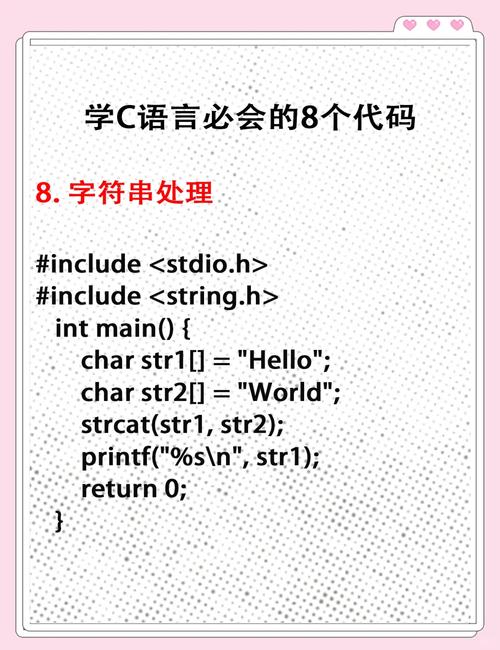
它能把一个现代的 C++ std::string 对象,转换成一个 C 语言风格的字符串。
为什么需要 c_str()?
C++ 的 std::string 是一个功能强大、安全的类,它自动管理内存,可以动态调整大小,并且支持各种方便的操作(如 拼接、substr 截取等)。
C 语言没有 std::string,它处理字符串的方式是使用字符数组(char[]),并且要求字符串必须以一个空字符 '\0' 作为结束标志,这个空字符非常重要,很多 C 语言的标准库函数(如 printf, strcpy, strlen, fopen 等)都依赖它来判断字符串的结尾。
c_str() 就是一座桥梁,让你能够将 C++ 中更安全、更方便的 std::string 对象,传递给那些只接受 C 风格字符串的旧函数或 C 库函数。
c_str() 的工作原理和重要注意事项
理解 c_str() 的工作方式至关重要,否则很容易导致程序错误。
1 返回的是常量指针 (const char*)
c_str() 返回的是 const char*,而不是 char*,这意味着你不能通过这个指针去修改字符串的内容。
std::string str = "Hello";
const char* c_ptr = str.c_str();
// 错误!不能修改常量数据
// c_ptr[0] = 'h'; // 这行代码会导致编译错误!
2 生命周期依赖于原始的 std::string 对象
这是 c_str() 最重要也最容易出错的一点:返回的指针指向的内存,是由原始的 std::string 对象管理的。
- 只要
std::string对象没有被销毁或修改,c_str()返回的指针就是有效的。 - 一旦
std::string对象被修改(通过 , ,assign等操作)或被销毁(离开作用域),c_str()返回的指针就会变成悬垂指针,使用它会导致未定义行为**,通常是程序崩溃。
3 修改 std::string 会使指针失效
#include <iostream>
#include <string>
#include <cstring> // for strlen
void risky_function() {
    std::string text = "Original";
    const char* c_ptr = text.c_str();
    std::cout << "1. c_str() 内容: " << c_ptr << std::endl;
    std::cout << "1. string 内容: " << text << std::endl;
    // --- 危险操作 ---
    // 对 text 进行修改,会导致 c_ptr 指向的内存被释放或改变
    text += " and Modified";
    std::cout << "2. c_str() 内容: " << c_ptr << std::endl; // 输出不可预测!
    std::cout << "2. string 内容: " << text << std::endl;
    // 尝试使用 c_ptr 可能导致崩溃
    // size_t len = strlen(c_ptr); // Undefined Behavior!
}
int main() {
    risky_function();
    return 0;
}
输出结果(可能):

c_str() 内容: Original
1. string 内容: Original
2. c_str() 内容: Original and Modified
2. string 内容: Original and Modified
注意:在这个特定编译器和优化下,它可能“看起来”正常工作,但这只是巧合,属于未定义行为,在其他情况下或不同编译器下,程序可能会直接崩溃或输出乱码。
4 std::string 被销毁后,指针失效
const char* get_c_str() {
    std::string local_str = "I am a local string";
    return local_str.c_str(); // 危险!local_str 即将被销毁
}
int main() {
    const char* bad_ptr = get_c_str();
    // local_str 已经被销毁,bad_ptr 是一个悬垂指针
    std::cout << bad_ptr << std::endl; // 未定义行为,程序很可能崩溃
    return 0;
}
正确的使用场景
场景1:传递给 C 风格的函数
这是最常见的用法。
#include <iostream>
#include <string>
#include <cstdio> // for C's printf
#include <cstdlib> // for C's system
int main() {
    std::string cpp_str = "Hello from C++";
    // 1. 传递给 printf
    // printf 需要一个 const char*,c_str() 完美匹配
    printf("Using printf: %s\n", cpp_str.c_str());
    // 2. 作为命令行参数传递给 system()
    // system("ls -l filename.txt") 中的 "ls -l filename.txt" 是 C 风格字符串
    // 我们想用 C++ 字符串动态构建命令
    std::string filename = "my_document.txt";
    std::string command = "cat " + filename; // 拼接
    std::cout << "Executing command: " << command << std::endl;
    system(command.c_str()); // 安全地传递
    return 0;
}
场景2:作为需要 const char* 的 C++ 函数的参数
很多 C++ 库为了兼容 C,也提供了接受 const char* 的重载函数。
#include <iostream>
#include <string>
#include <fstream> // for file I/O
int main() {
    std::string filename = "output.txt";
    // std::ofstream 的构造函数可以接受 const char*
    std::ofstream outfile(filename.c_str()); // 打开文件
    if (outfile.is_open()) {
        outfile << "Writing to a file using c_str().";
        outfile.close();
        std::cout << "File written successfully." << std::endl;
    }
    return 0;
}
(注意:现代 C++ 中,std::ofstream 构造函数也直接接受 std::string,std::ofstream outfile(filename); 也是可以的,但在很多旧库或特定场景下,c_str() 仍然是必需的。)
| 特性 | 描述 |
|---|---|
| 所属 | C++ std::string 类的成员函数。 |
| 返回类型 | const char* (指向常量字符的指针)。 |
| 作用 | 将 std::string 对象转换为 C 风格的、以 '\0' 结尾的字符串。 |
| 核心原则 | 返回的指针生命周期依赖于原始的 std::string 对象。 |
| 禁止操作 | 不能通过返回的指针修改字符串内容。 |
| 危险操作 | 在修改或销毁原始 std::string 对象后,不能再使用该指针。 |
| 主要用途 | 与 C 语言库函数交互,或调用需要 const char* 参数的旧版 C++ 函数。 |
c_str() 是一个临时的“视图”或“快照”,而不是一个独立的副本,只要原始的 std::string 存在且未被修改,这个视图就是安全的,一旦原始字符串发生变化,这个视图就立刻失效了。